Be a food waste warrior!
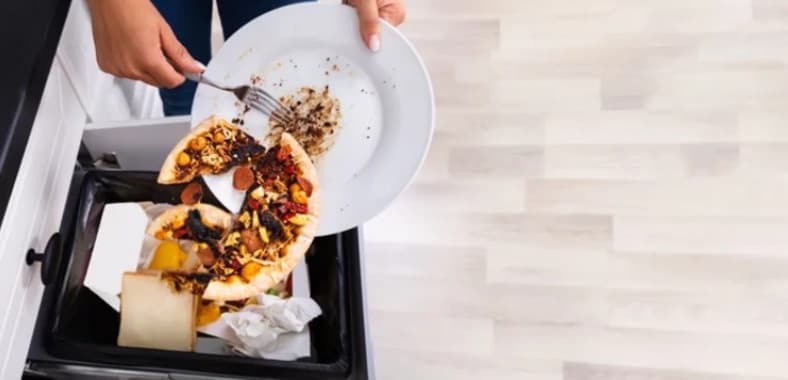
Along with global warming, climate change, clean water and energy constraints, food waste is also one of the burgeoning global problems that needs urgent action from all parties involved in the supply chain right down to the consumer. Join Mono as we embark on our journey to learn and share more about food waste.
Did you know?
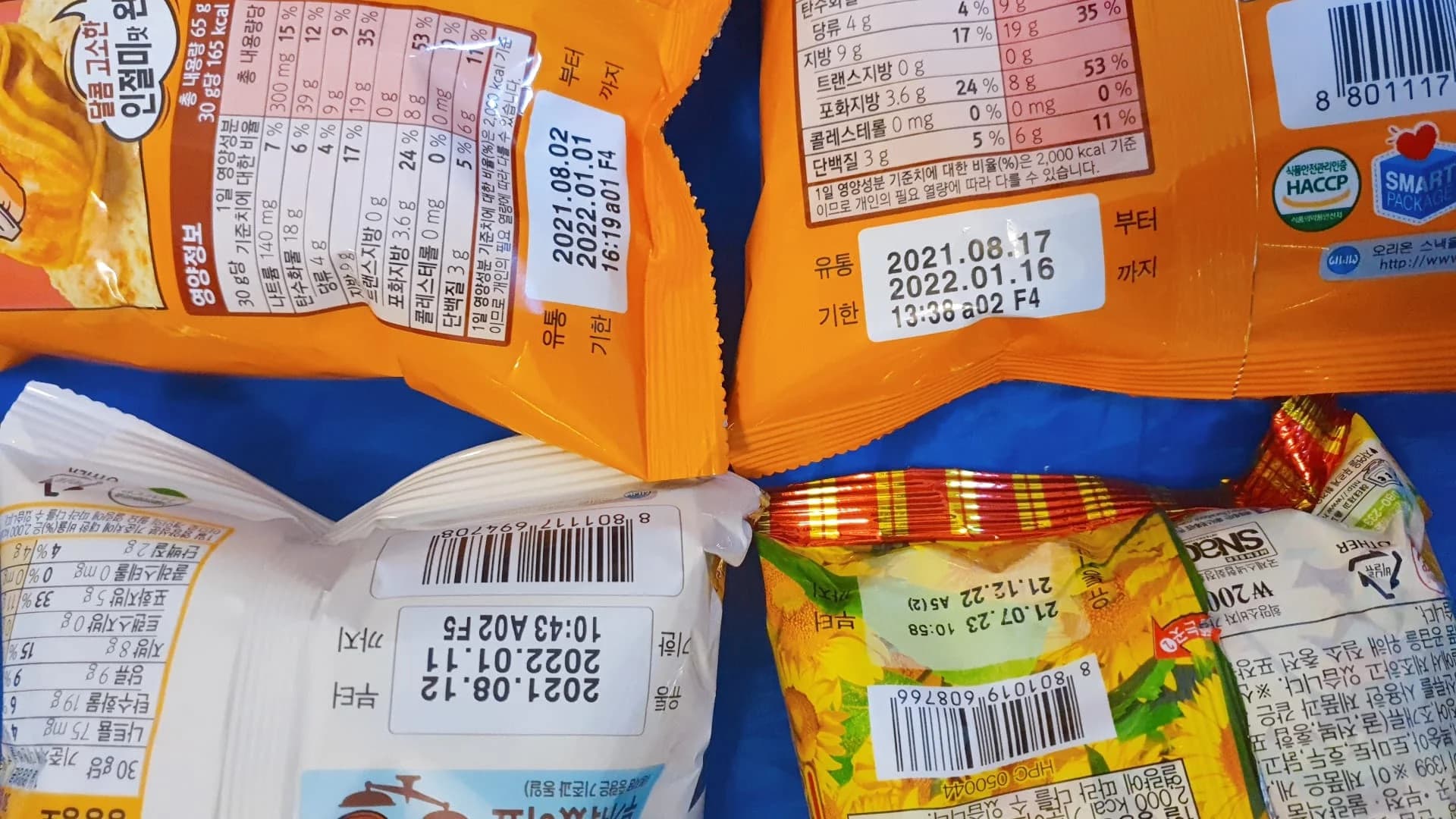
Some food items that are less perishable usually carry 'best before dates' instead of 'expiry dates' or 'use by dates'.
Food items targeted at the higher end market are produced with little to no preservatives and have shorter shelf lives. The shelf lives of these items are usually 6 months from dates of manufacture which could be set by manufacturers to drive sales. After they are packaged, shipped and sent to retail stores, the time left to sell them to consumers is limited to just a few months.
The Problem
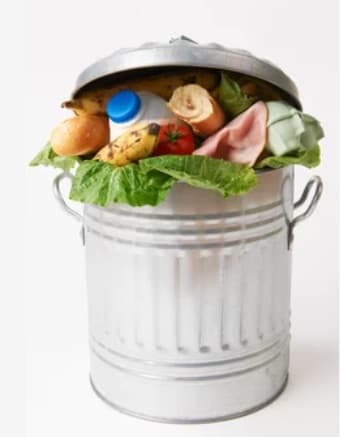
Singapore is heavily dependent on imports as its food source and 90% of food in Singapore is imported. Food security is vital to our existence and food should be cherished. Yet the amount of food waste in Singapore has grown by 20% in the last 10 years. In 2020, 665,000 tonnes of food waste was generated.
Changes in consumer habits aside, a substantial amount of food is wasted during transportation and handling of food supplies. Problems in transportation and handling often lead to damages to product packaging. Distributors and resellers frequently face slow moving inventory that has to be taken off the shelf and disposed.
As a result, substantial amounts of perfectly edible food are wasted annually, not to mention the resources put in to produce or manufacture these foods.
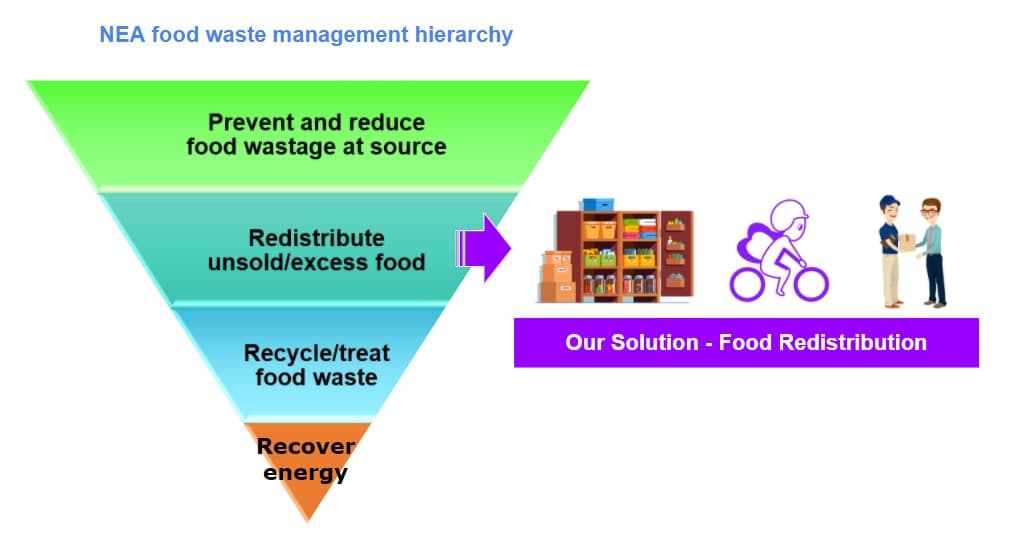
Our Solution
Ultimately, it is a win for all: suppliers find a way to manage such inventory, consumers get perfectly edible food at discounted prices and most importantly, it helps to combat food waste and save our environment as less food waste ends up in incineration plants, saving on electricity required to run these plants.
Learn how MoNo's solution contributes to the Singapore government's plan for zero waste.
Find out how food waste is treated in Singapore
Not all food waste is treated and most of it is just incinerated at waste-to-energy (WTE) plants. MoNo combats food waste by redistributing unsold or excess food perfectly fine for consumption to consumers.
Shelf Life of Foods
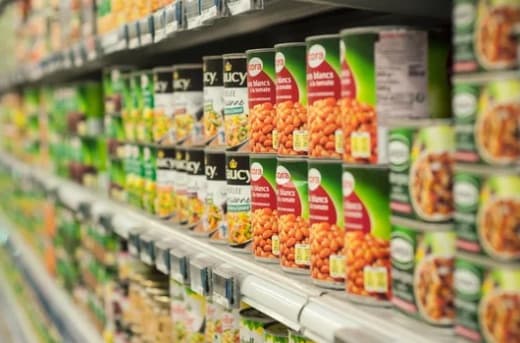
Canned Foods
Canned foods are shelf stable foods and can be stored for months, even years after their expiration date, depending on the type of food canned. Make sure there are no signs of rusting, leakage, bloating or deep dents. Don't expect them to taste the same after 10 years though!
Storage: Store in a cool, dry place.
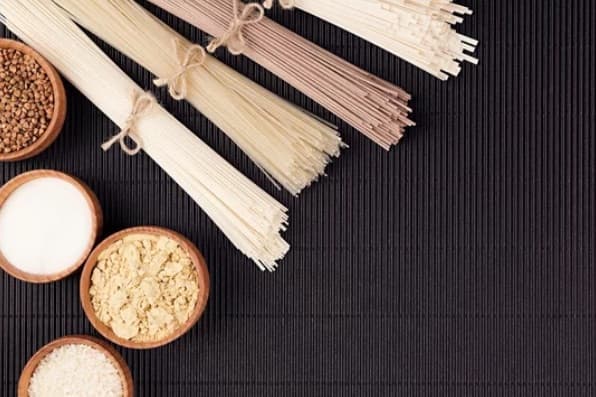
Dried noodles, pasta and rice
These foods are shelf stable foods and can be stored safely at room temperature before opening.
Storage: Store in a cool, dry place
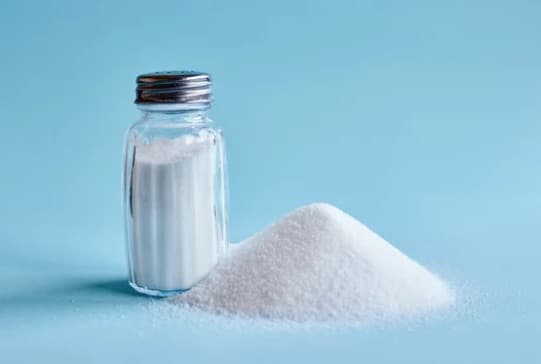
Salt
Plain salt never expires but if other ingredients like potassium iodate is added ("iodized salt"), its quality will deteriorate over time but it should still last a good period of time if unopened.
Storage: Store in a cool, dry place.
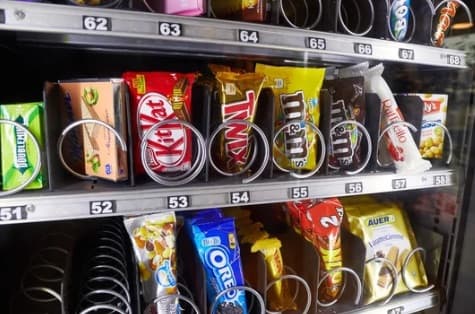
Snacks (chips, biscuits)
These foods are shelf stable foods and can be stored safely at room temperature before opening. Always Look-Smell-Taste. If they develop an off odor, flavor or appearance, or if mold appears, they should be discarded.
Storage: Store in a cool, dry place
Look-Smell-Taste, Don't Waste
Consuming foods past their Best Before
It's safe to consume foods past their Best Before, especially so if they are shelf stable foods which are unopened, whose packaging is not damaged and which has been properly stored. However, always use the Look Smell Taste test to check if the food is still fit for consumption.

LOOK
Check food for signs of visual decay

SMELL
Sniff the food to test whether it smells as it usually would

TASTE
Taste a small amount of the food to check whether it has turned unusually tangy or sour